Should You Paint Golden Oak Trim? Pros, Cons and What to Expect
A working painter's take on painting 1990s golden oak trim — when it is the right call, when to keep the wood, how it affects resale, and what the finished result looks like up close.

Why so many homes have golden oak
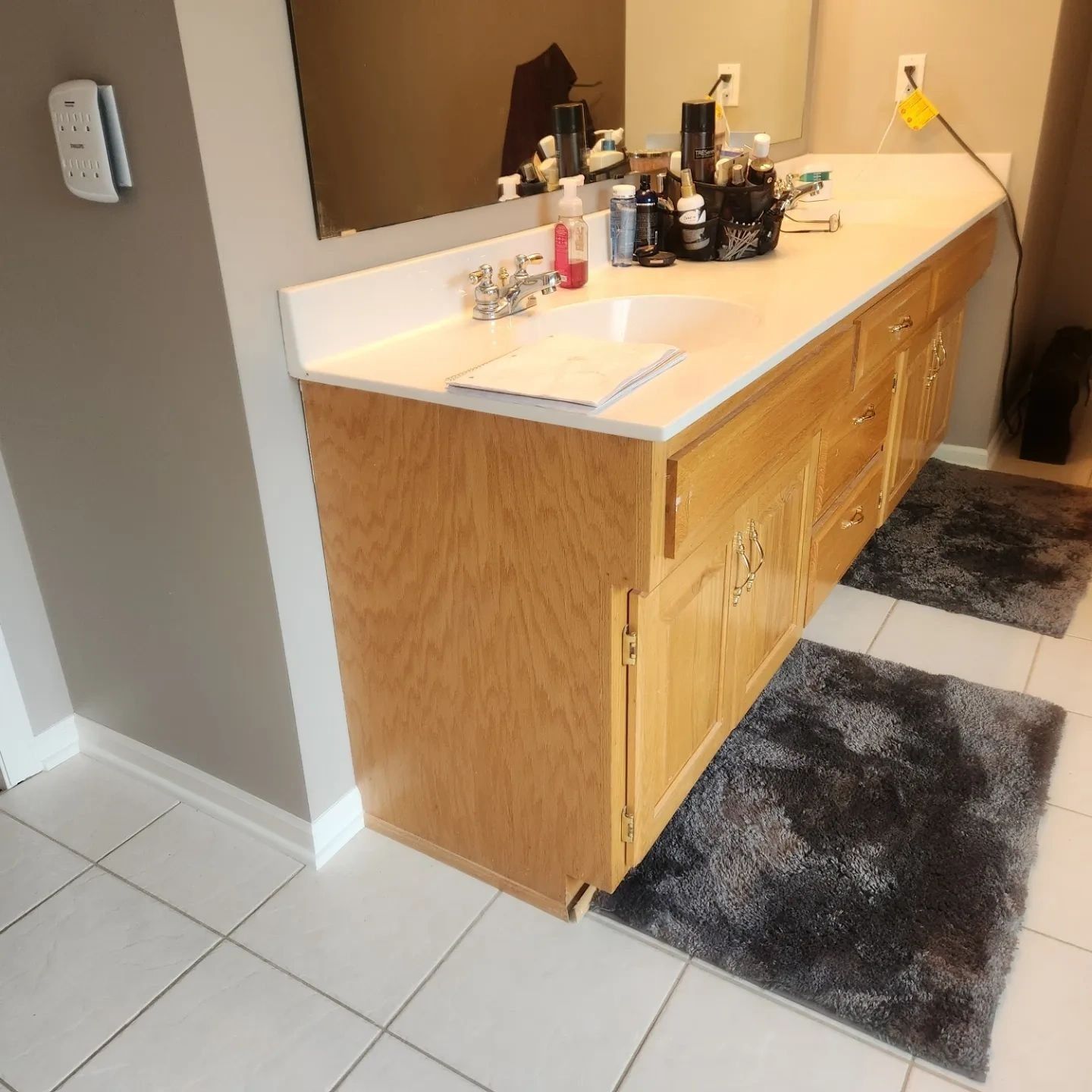
From the late 1980s into the early 2000s, most new homes in the Twin Cities suburbs were trimmed in red oak with a clear or light “golden” stain — casings, baseboard, doors, stair parts, cabinets and often the floors. It was durable and affordable, and at the time it read as a premium finish. Today it reads as a date stamp, and it is the single most common reason homeowners in Plymouth, Eden Prairie, Minnetonka and Maple Grove call us.
When painting is the right call
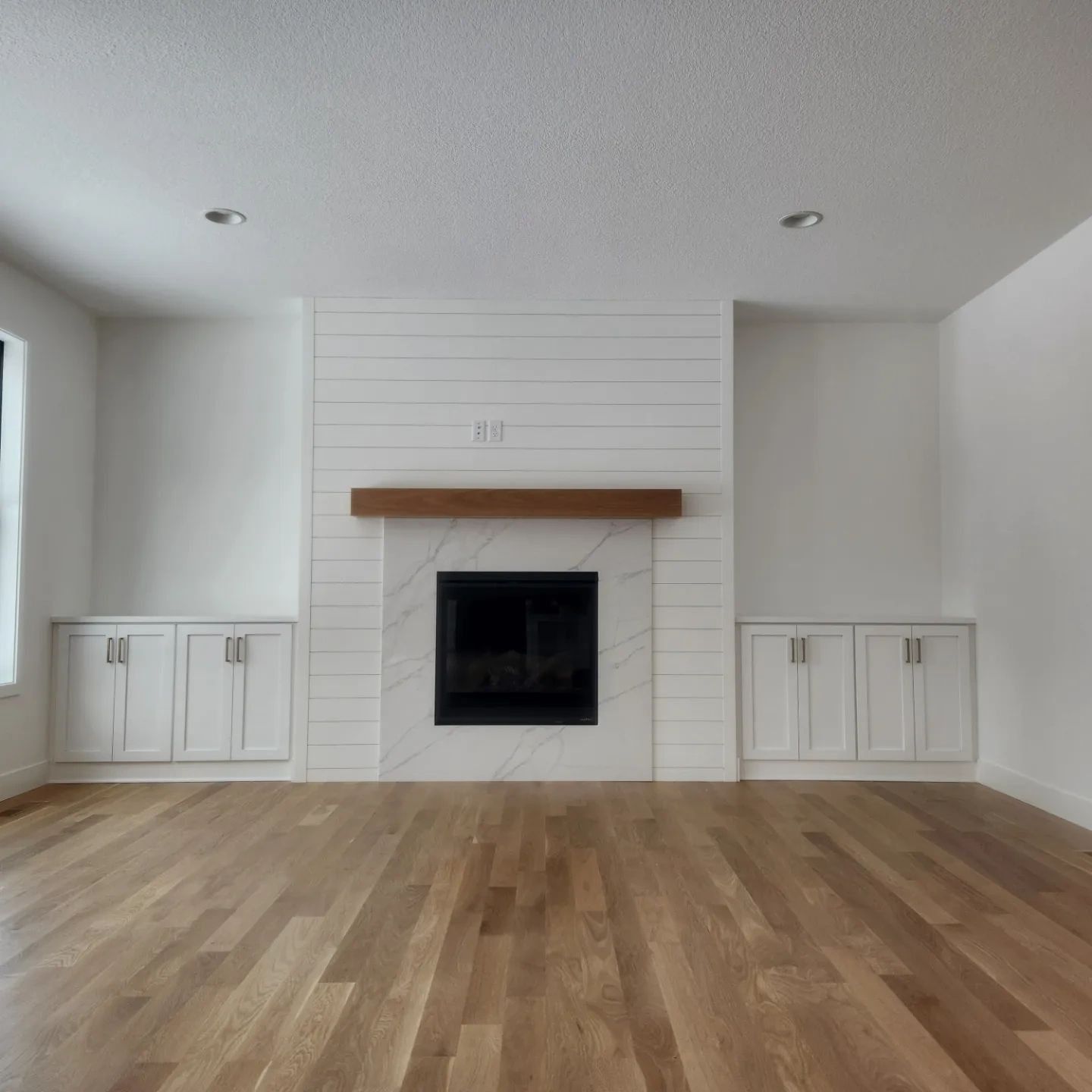
- You want the house lighter and brighter. Golden oak absorbs light; white or off-white trim reflects it. Rooms look larger and wall colors look cleaner.
- The oak is standard 1990s red oak in good condition. It paints very well when properly prepared.
- Walls, floors and cabinets are changing too. If you are updating floors or painting cabinets, painted trim ties the new palette together.
- You are preparing to sell in the next few years. Painted trim removes a common buyer objection.
When to keep the wood
- Older homes with original woodwork. Quartersawn oak, fir or gumwood trim in a 1910s–1930s home is part of the house’s character and value. Clean, repair and refresh the finish instead.
- Darker, richer stains that suit the house. Not all stained trim is “golden oak.” A walnut-toned trim package in a lake-country home may be worth keeping.
- You like it. If a clean-and-clear-coat refresh would make you happy, it costs a fraction of painting. See our staining and refinishing service.
A middle path: paint the trim, keep the handrail
One of the most popular combinations we do is painting casings, baseboard, doors, skirt boards and spindles white while leaving the oak handrail (and sometimes the treads) stained. The handrail takes daily hand contact that painted surfaces do not love, and a bit of warm wood keeps a white staircase from feeling sterile.
What the finished result looks like up close
Painted oak does not look like painted MDF. Oak has open grain, and unless you pay for grain filling, you will see the texture of the wood under the paint — especially on doors and wide casings. Most homeowners like this; it reads as painted wood rather than plastic. If you want a completely smooth look, ask for extra primer coats and sanding, and expect to pay more for it.
What a proper job involves
Clean, scuff-sand, prime with a shellac-based primer, caulk and fill, sand, then two coats of a hard trim enamel. We use Sherwin-Williams Emerald Urethane on trim. The shellac primer is the step that decides whether the paint stays white. See why oak needs shellac primer and what it costs to paint oak trim.